
When considering the implementation of Flock Security cameras in your community, there are several important factors to evaluate. Here are the key considerations:
Cost and Budget Considerations
- Initial and ongoing expenses:
- Typical cost ranges from $2,000-$2,500 per camera annually
- Consider how many entrances/exits need coverage
- Determine whether to pass costs through HOA dues or use reserve funds
- Cost comparison to alternatives:
- Compare with hiring security personnel (typically $60,000+ annually per guard)
- Evaluate against traditional CCTV systems (which require more infrastructure)
- Consider maintenance costs (which are included in Flock’s subscription model)
Legal and Regulatory Factors
- Virginia-specific regulations:
- Recent legislation in Virginia is establishing guidelines for license plate readers
- Current law generally limits data retention to 30 days
- Requirements for HOAs to obtain proper permits for installation in public rights-of-way
- HOA authority considerations:
- Review your HOA governing documents to ensure authority to implement security measures
- Consider whether a community vote is required for this type of expenditure
- May require amendment to rules and regulations or declaration
Privacy and Community Relations
- Resident concerns:
- Transparency about what data is collected and who has access
- Clear communication about data retention policies (typically 30 days)
- Educational sessions to address privacy concerns
- Community engagement:
- Survey residents to gauge support before implementation
- Host information sessions with Flock representatives
- Create clear policies on data usage and access
Technical and Implementation Considerations
- Camera placement strategy:
- Strategic positioning at all community entrances and exits
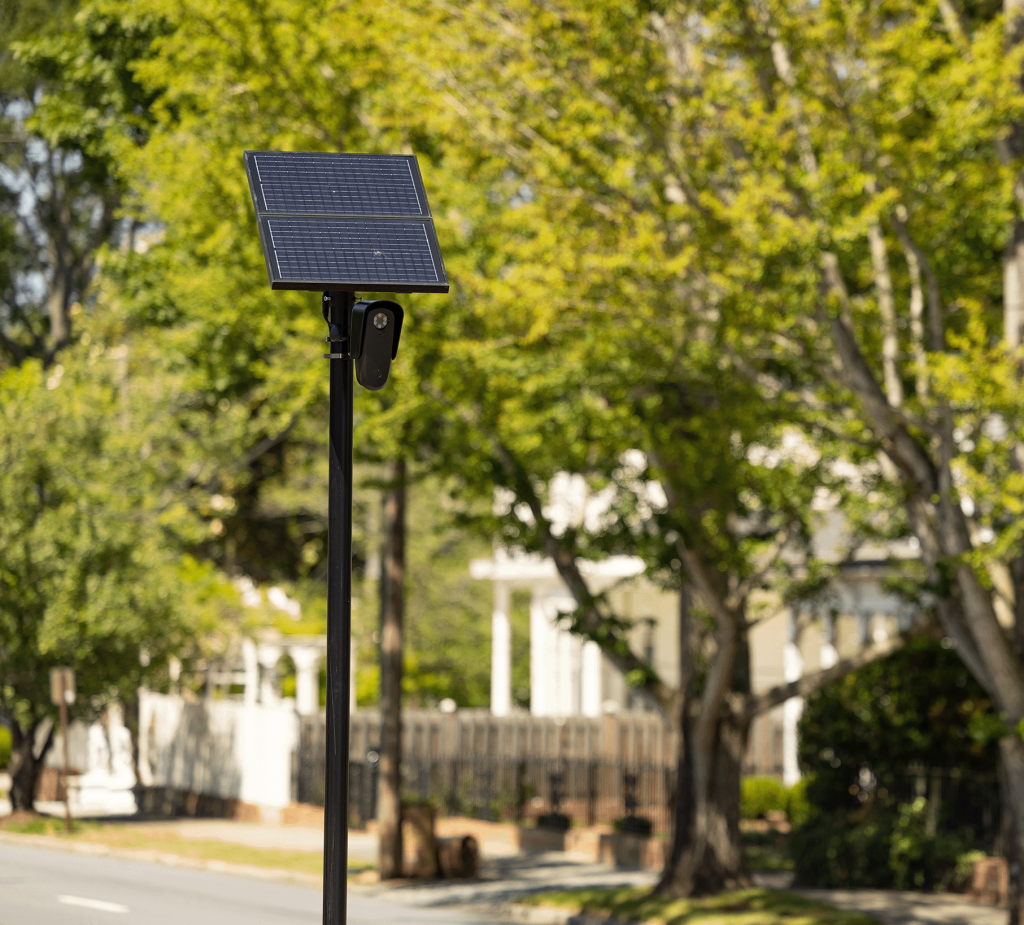
- Consider solar power availability at proposed locations
- Ensure cellular connection strength at installation points
- Law enforcement integration:
- Establish formal agreements with James City County Police Department
- Determine protocols for alerts and information sharing
- Set clear boundaries on usage for non-criminal matters