



Builders often maintain significant control over the HOA in the early stages of a community’s development, and this can raise concerns about how homeowners’ interests are managed.  Here are some of the “taboo secrets” that builders might not want homeowners to know about when it comes to HOA control:
1. Builder’s Initial Control Over the HOA Board
Builders often appoint the first members of the HOA board, including the president, treasurer, and secretary. This control can last for a significant period, sometimes for years, allowing the builder to essentially run the community’s HOA as a proxy for their own interests. Homebuyers might not realize how much influence the builder still has over decisions, even after residents begin moving in.
2. Excessive Influence Over Community Rules
In the early stages of the community’s development, builders may use their control of the HOA to implement rules and regulations that primarily serve their interests—such as restricting the types of exterior modifications that can be made to homes (thus protecting the builder’s aesthetic or marketability), or ensuring the homes and community are presented in a way that appeals to prospective buyers.
3. Mandatory Vendor Partnerships
Builders often have relationships with certain contractors, service providers, and vendors that may result in residents being forced to use specific services for things like landscaping, trash collection, or maintenance. These partnerships can drive up costs for homeowners, while the builder may receive kickbacks or preferential treatment from these vendors. Homebuyers may not be aware that they could be paying inflated prices for these services because of the builder’s influence over the HOA.
4. Limited Resident Control Over Budget and Expenses
Builders may continue to control the HOA’s financial decisions even after homes are sold, which includes setting the community’s budget, determining how HOA fees are spent, and controlling reserve funds. Residents may have limited input in how funds are allocated, and builders may use this control to divert funds into areas that benefit them rather than the homeowners, such as underfunding long-term maintenance or overpaying for development-related costs.
5. Increased Fees and Hidden Costs
As the community grows and the builder moves on, the HOA board may continue to impose high fees on homeowners to cover costs associated with the builder’s decisions. For example, the builder might have created lavish community amenities (pools, parks, clubhouses) that require ongoing maintenance, and homeowners end up bearing the brunt of the financial burden, even if they never actually use those amenities. These costs might be hidden in the fine print or in vague clauses in the HOA’s bylaws, which homeowners only discover after moving in.
6. Slow Transition of Control to Homeowners
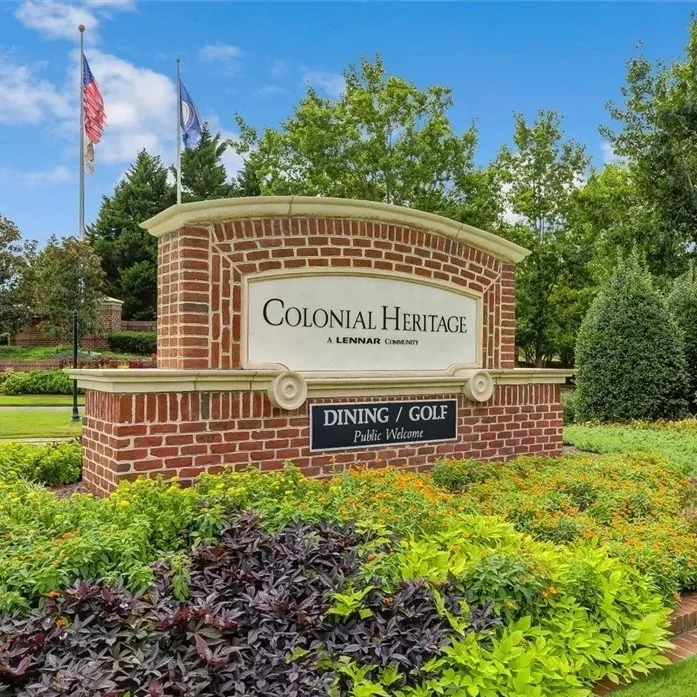
When the developer (like Lennar) is still in control of the HOA, it can be very difficult for homeowners to have a say in important decisions. Even when the builder agrees to transition control to the homeowners, the process can be delayed or drawn out intentionally. This extended control allows the builder to continue influencing decisions about property values, development, and community operations, well after the initial sales process is complete.
7. Pressure to Approve Builder’s Future Plans
Builders may use their control over the HOA board to influence votes on future development projects within the community. Homeowners might not realize that the builder could push for additional development, zoning changes, or new construction projects that benefit them financially, but may not align with the interests of current homeowners. For example, the builder might want to add new homes or commercial spaces, but homeowners may find that the development leads to overcrowding or lower property values.
8. Conflict of Interest in HOA Decisions
Many builders are more interested in maximizing profits from their development rather than fostering a balanced community environment. This can lead to a conflict of interest where the HOA board, controlled by the builder, consistently makes decisions that benefit the builder (such as approving new construction that raises property values) at the expense of the residents (like neglecting long-term maintenance or not addressing resident concerns).
9. HOA Contracts That Benefit the Builder
Builders may lock the HOA into long-term contracts with service providers or maintenance companies that benefit the builder’s ongoing interests, like maintaining properties that are still under the builder’s ownership or allowing the builder to lease out unfinished units or amenities. These arrangements can tie up the HOA’s resources or finances and result in higher costs for residents.
10. Manipulating Community Votes
In some cases, builders may have enough control over the HOA to influence how votes are cast. They may encourage new homeowners to vote in favor of certain measures that benefit the builder, such as voting to extend the builder’s control over the HOA for a longer period or approving construction plans that homeowners might not support if they had more control over the vote.
11. Legal Loopholes That Protect the Builder
The builder may have included specific clauses in the HOA’s governing documents that give them legal immunity from certain types of litigation or penalties related to their control over the community. These clauses can prevent homeowners from challenging builder decisions in court or force them to go through lengthy arbitration processes that are costly and time-consuming.
12. Undisclosed Developer Reserve Funds
Builders may secretly set aside funds in the HOA’s reserve accounts that they can later tap into for their own use, potentially under the guise of “community improvements” or “developer-related expenses.” These funds might be drained without proper homeowner approval, leaving the HOA with limited resources to maintain the community.








Leave a Reply